















Frequently Asked Questions About Gibson ES Guitars
What does Gibson “ES” stand for?
“ES” stands for Electric Spanish. Gibson introduced this designation in the 1930s to differentiate these standard-playing archtop guitars from their “EH” (Electric Hawaiian) lap steel models, which were played flat across the lap.
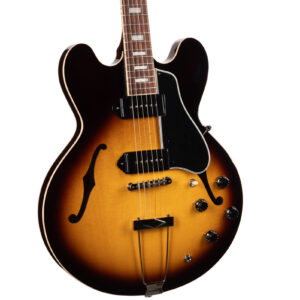
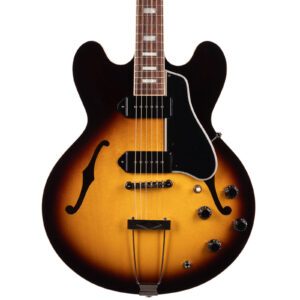
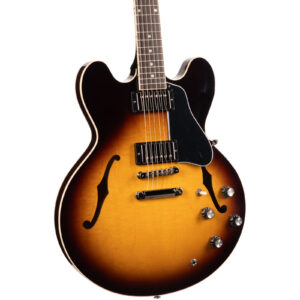
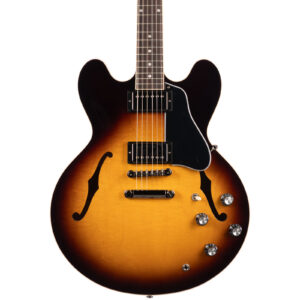
What is the difference between a Gibson ES-335 and an ES-330?
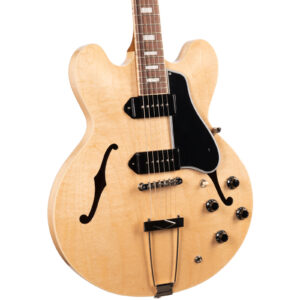
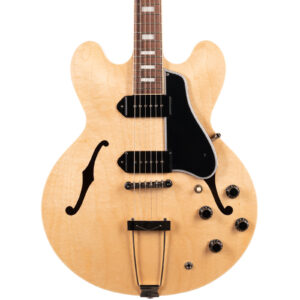
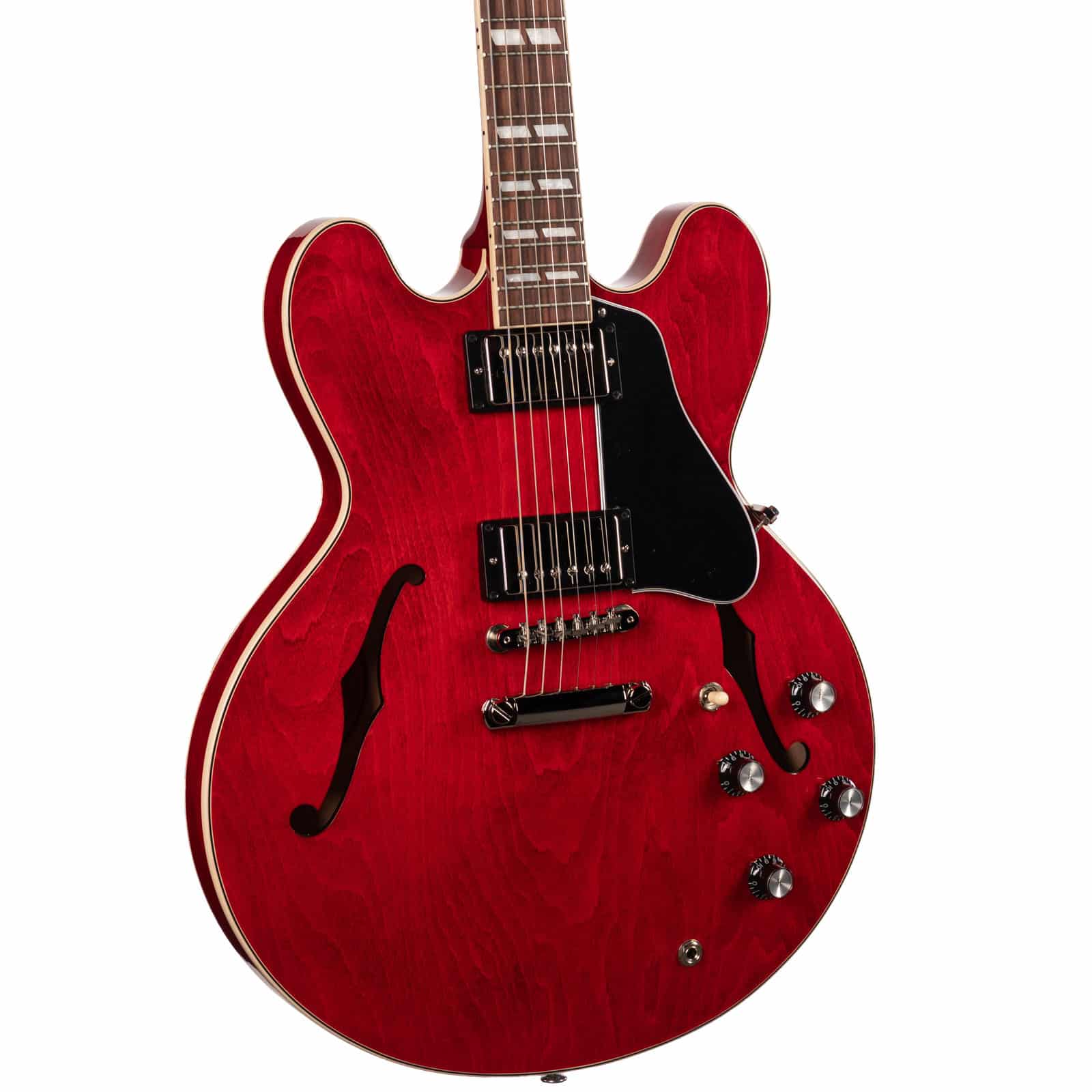
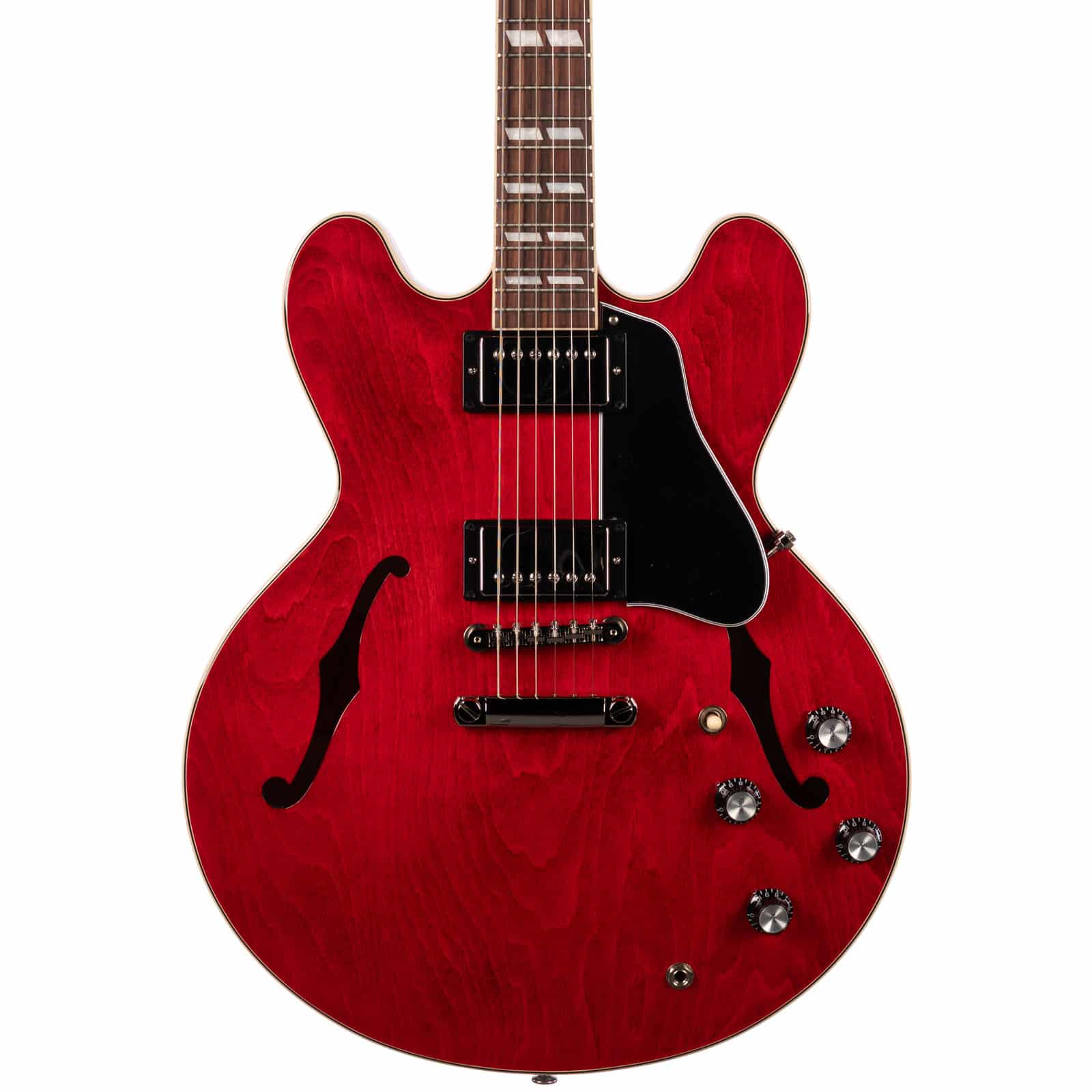
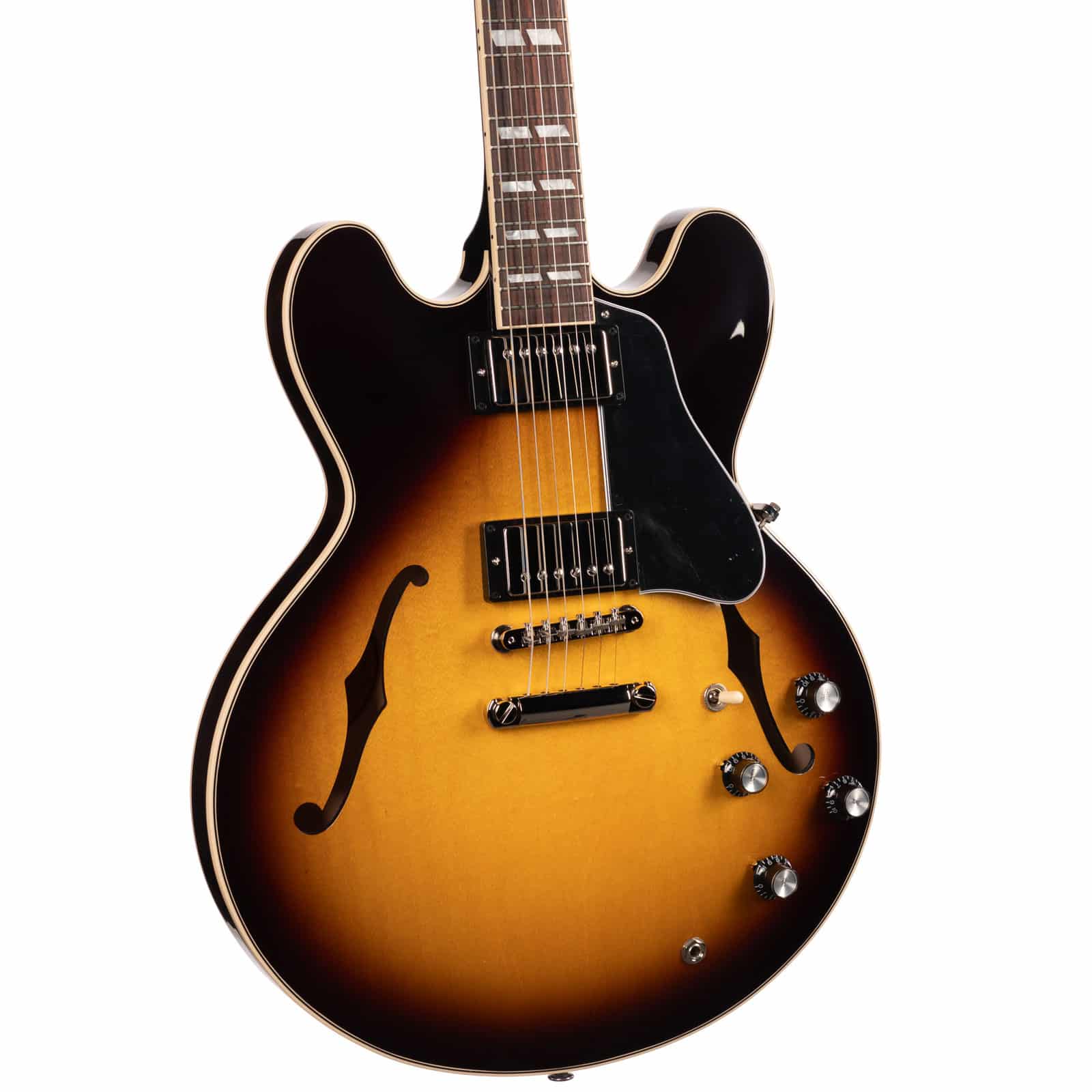
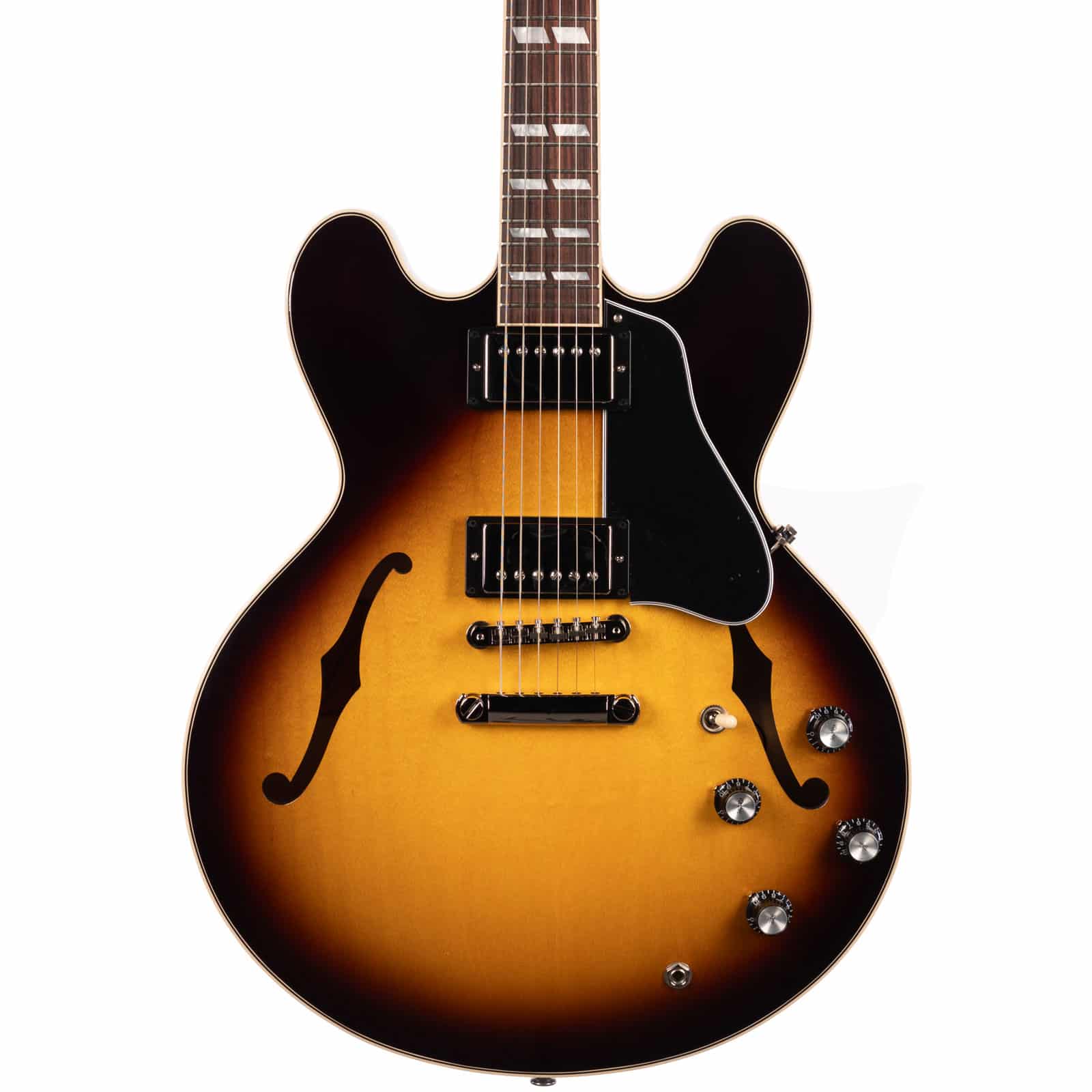
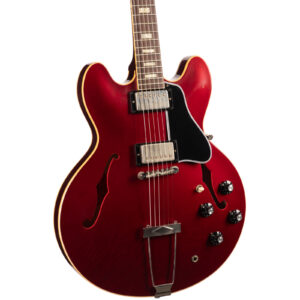
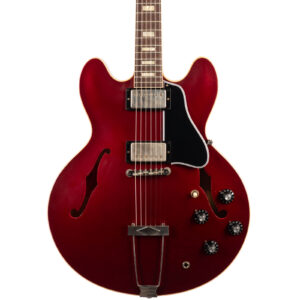
While they share the same iconic body shape, their construction and tone are completely different. The ES-335 is a semi-hollowbody guitar with a solid center block and humbucking pickups, perfect for controlling feedback at higher volumes. The ES-330 is a fully hollow instrument typically equipped with P-90 single-coil pickups, delivering a louder, woodier acoustic resonance and a distinct, airy vintage tone.
Are Gibson ES guitars hollow or semi-hollow?
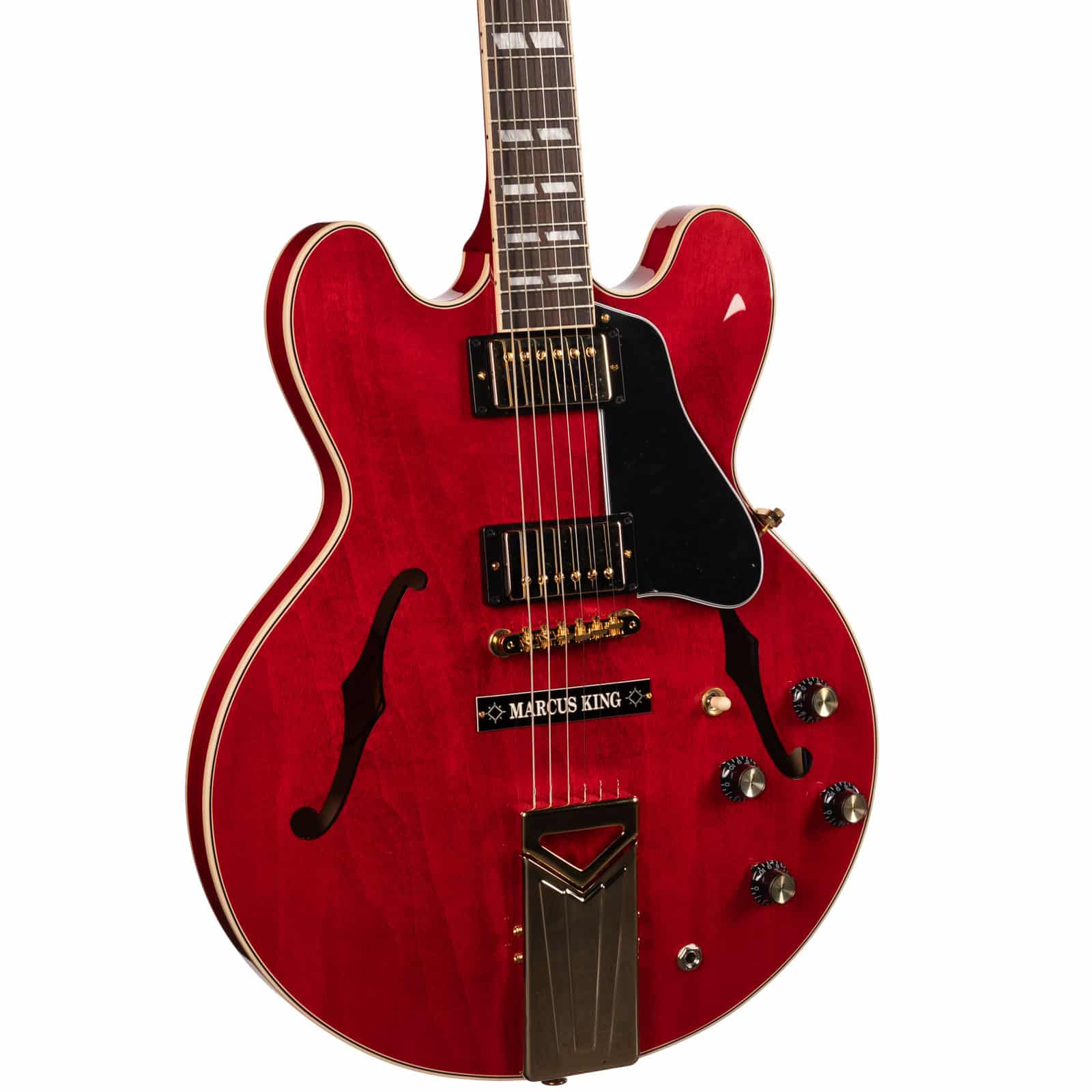
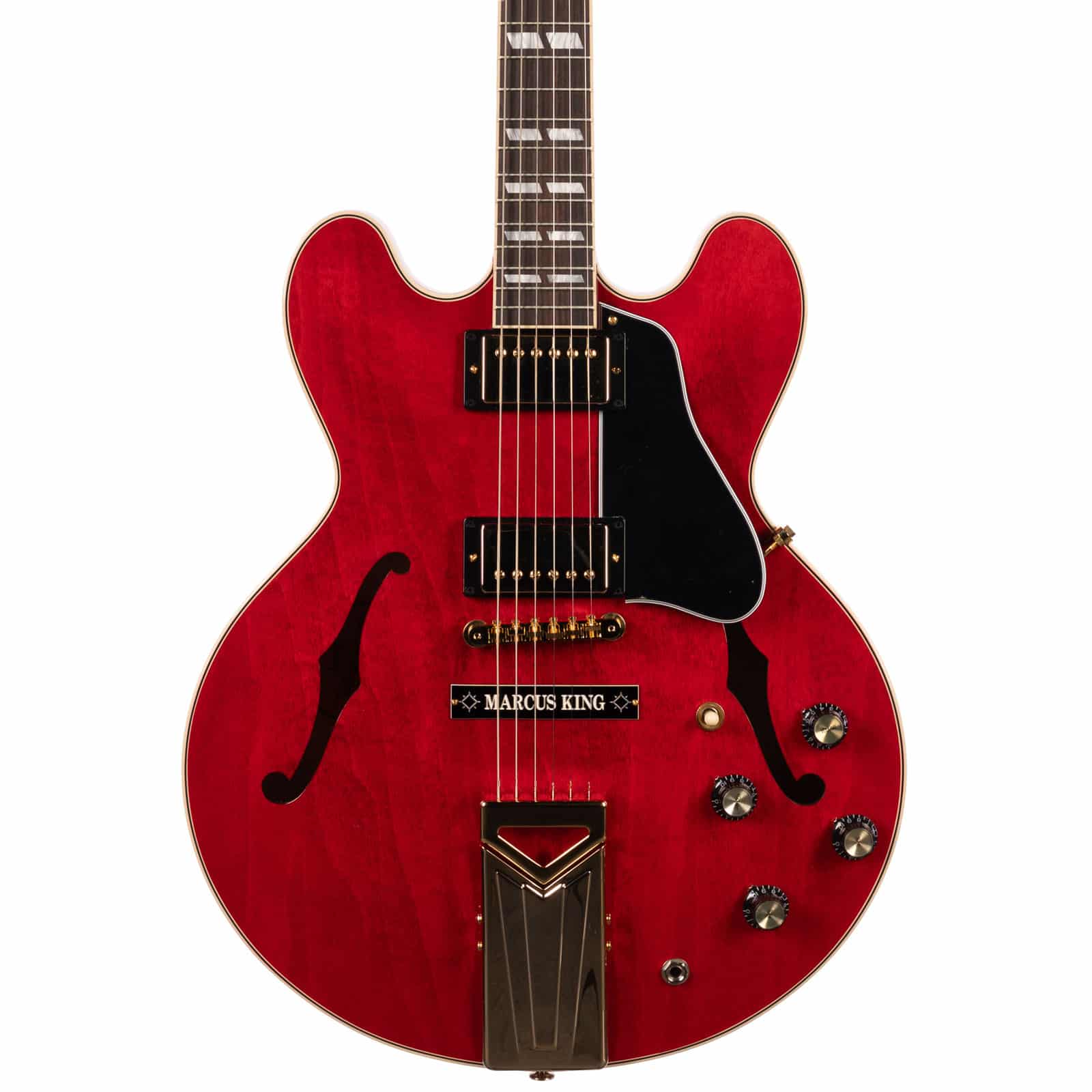
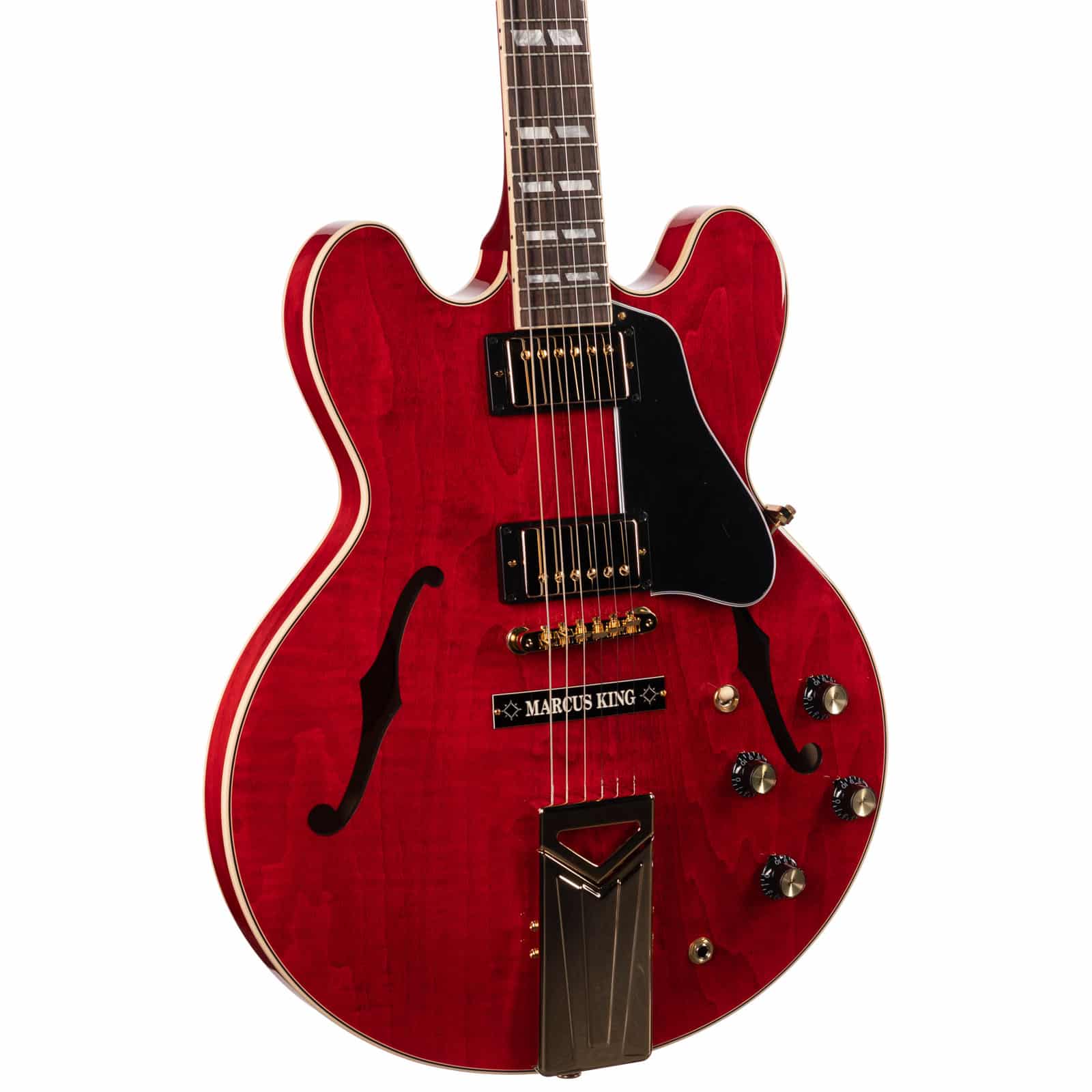
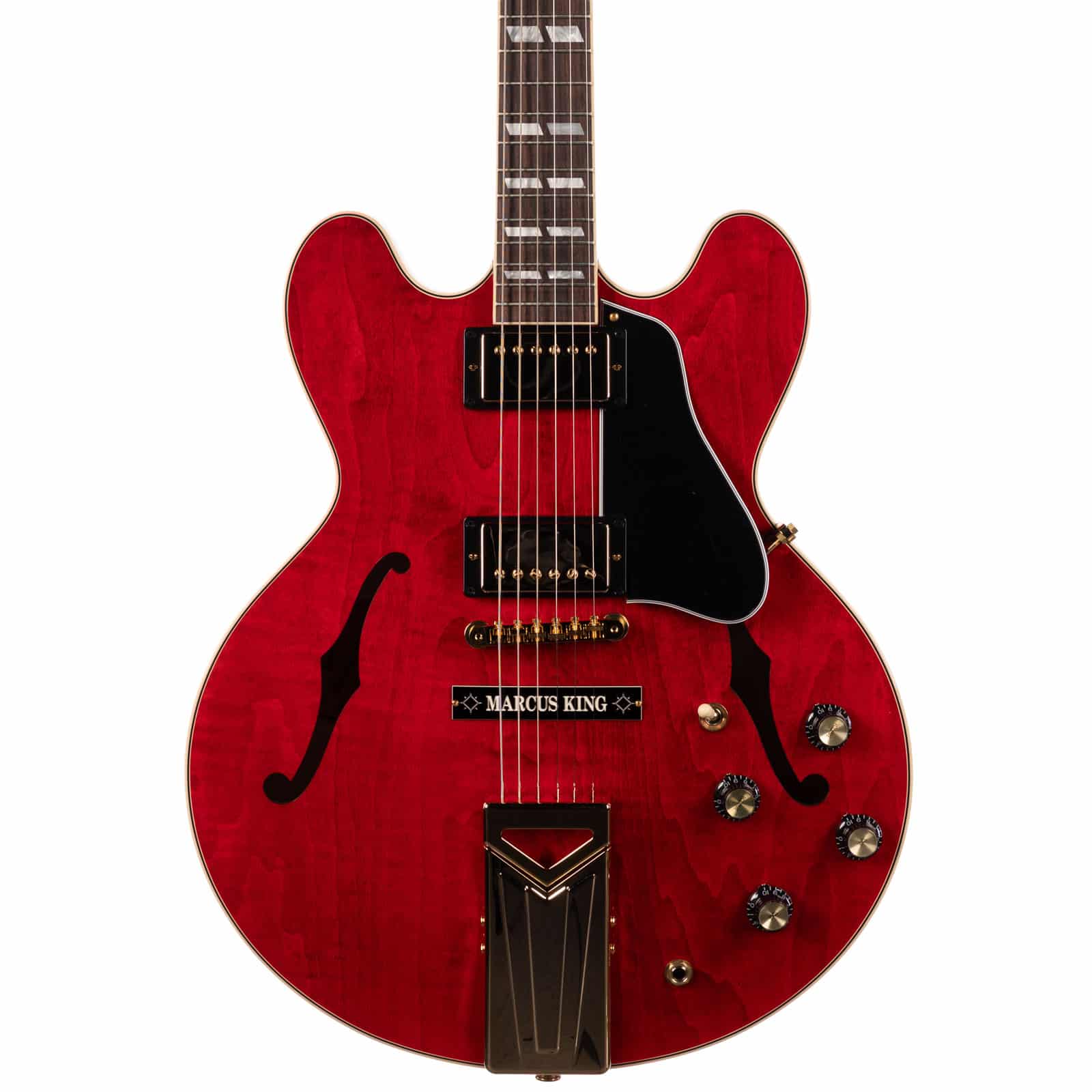
The ES series features both. Iconic models like the ES-335 and ES-345 are semi-hollow, meaning they feature a solid maple center block running through the body to reduce feedback and increase sustain. Other models, like the ES-330, are fully hollow, offering a lighter weight and a louder acoustic voice.
What genres of music are Gibson ES guitars best for?
Because they successfully bridge the gap between acoustic warmth and solid-body bite, Gibson ES guitars are some of the most versatile instruments on the market. They are a staple in jazz, blues, and country, but with their dual humbucking pickups (on models like the 335 and 345), they can easily handle the heavy overdrive needed for classic rock, punk, and modern indie music.